Every payment card in your wallet comes from a card issuer. It is the bank or licensed fintech that gave you the card, holds the money behind it, and decides whether each payment goes through. In this guide, you will learn what an issuer does, how it differs from an acquirer, and how to find your own issuer from the first digits of the long number on the front.
Quick answer: A card issuer is the bank or licensed financial institution that gives you a payment card and stands behind it. It verifies your identity, links the card to your account, approves or declines each payment, handles disputes, and pays the merchant’s bank during settlement. In Nigeria, issuers include commercial banks such as Access Bank and Zenith Bank, as well as licensed fintechs such as Moniepoint, OPay, and Blusalt, among others. The first six to eight digits of the long number, called the Bank Identification Number (BIN), identify the bank behind it.
In this guide
- What is a card issuer?
- What does a card issuer do?
- How the card issuer approves a payment
- Card issuer vs card acquirer
- How to find your card issuer from your card number
- Card issuers in Nigeria: banks vs fintechs
- Why your card issuer matters to you
- Frequently asked questions
- Key takeaways
What is a card issuer?
A card issuer, also called an issuing bank, is the institution that creates your card account and gives you the card. In other words, it is the company whose name appears on the front of your card, next to the scheme logo.
The card scheme, such as Verve, Mastercard, Visa, or AfriGo, runs the network. The issuer, however, is your direct relationship. It sets your limits, sends your OTPs, blocks a lost card and refunds a failed payment.
For example, if you hold a Zenith Bank Verve debit card, Zenith Bank is the issuer, and Verve is the scheme. Similarly, Moniepoint’s licensed bank stands behind every Moniepoint card.
What does a card issuer do?
An issuer has six main jobs:
- Onboarding. First, it verifies your identity with your BVN or NIN and opens the account behind the card.
- Issuing the card. Next, it produces a physical card or creates a virtual one, and gives you a PIN.
- Approving payments. Then, every time you pay, it checks your PIN, card status, balance, and limits, and approves or declines.
- Fighting fraud. At the same time, it monitors your spending and blocks payments that look suspicious.
- Settling payments. After that, it pays the merchant’s bank for your approved payments through the settlement system.
- Handling disputes. Finally, it refunds failed transactions and raises chargebacks when a merchant does not deliver.
In return, the issuer earns a share of each payment, called interchange. It may also charge you card fees, such as issuance, maintenance, or replacement fees.
How the card issuer approves a payment
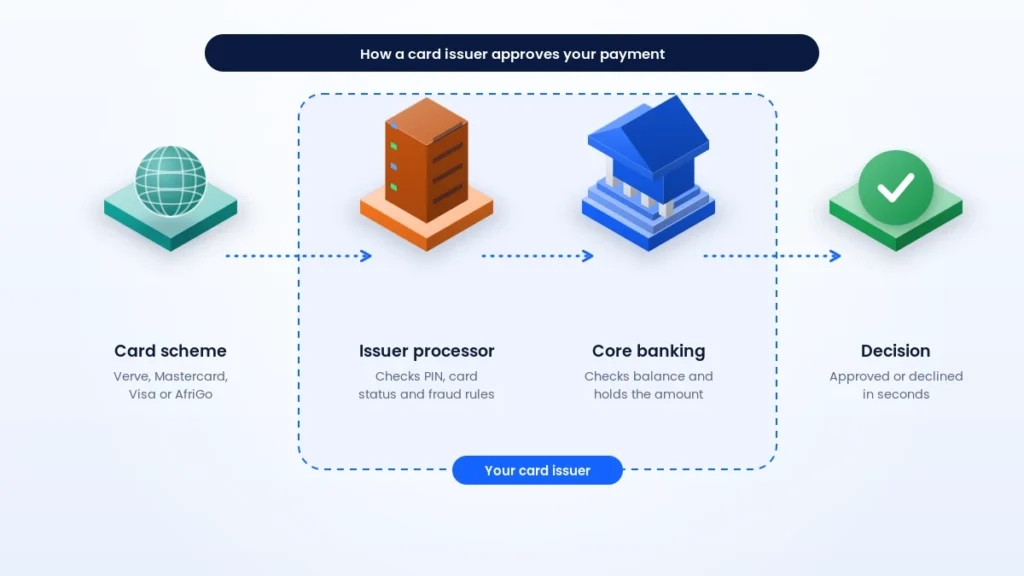
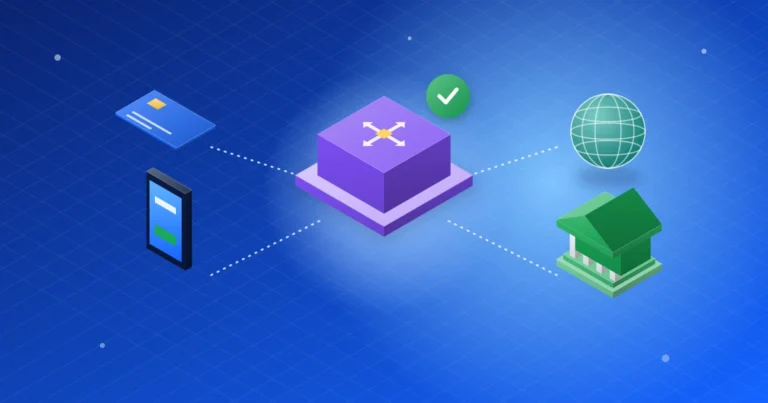
When you pay at a POS terminal or online, the request travels through a switch and the card scheme to your bank. Most banks today do not run these checks inside their core banking system. Instead, they use an issuer processor, which may be the bank’s own platform or a specialist company working for the bank.
Usually, the work is split like this:
- The issuer processor validates your PIN, confirms it is genuine and active, and applies spending limits and fraud rules.
- The core banking system confirms your balance, places a hold on the amount, and records the debit.
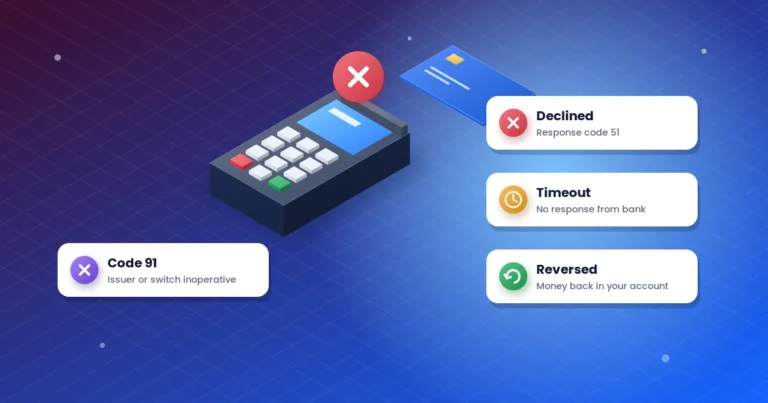
As a result, the approval or decline comes back within seconds. Our guide to how POS transactions work shows the full journey, and our guide to failed payments explains the error codes an issuer can send back.
Card issuer vs card acquirer
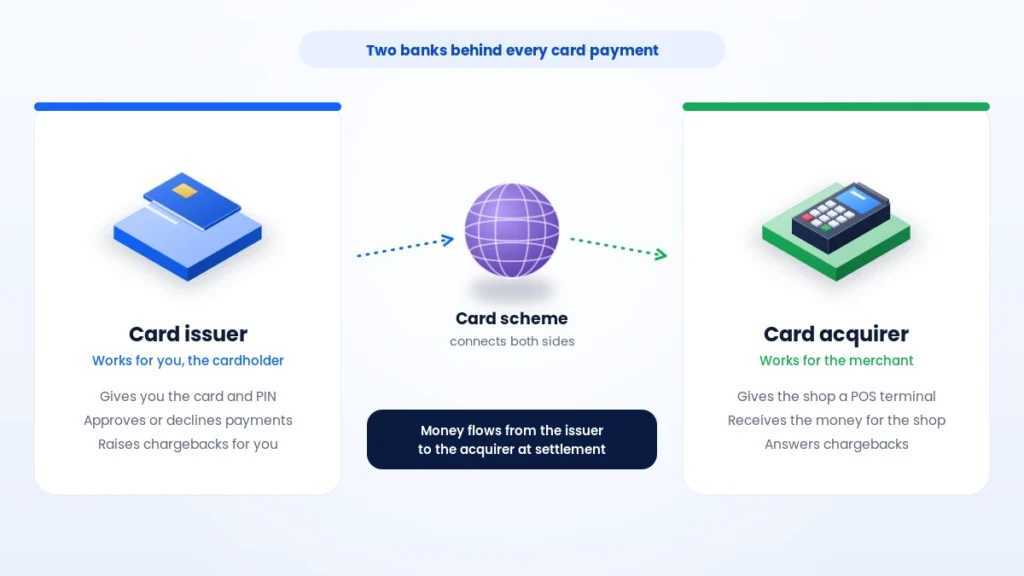
In fact, every card payment has two banks: one on your side and one on the merchant’s side. Here is how they compare:
| Feature | Card issuer | Card acquirer |
|---|---|---|
| Who it serves | The cardholder (you) | The merchant or shop |
| Main job | Approves or declines your payment | Accepts card payments for the merchant |
| Money flow | Sends the money | Receives the money for the merchant |
| What it provides | Cards, PINs, OTPs and alerts | POS terminals, gateways and settlement |
| Disputes | Raises a chargeback for you | Responds to the chargeback for the merchant |
| Example | Your bank or fintech | The supermarket’s bank |
Sometimes, the same bank plays both roles. For instance, if you pay with a GTBank card at a shop that banks with GTBank, that bank acts on both sides of the payment.
How to find your card issuer from your card number
Your card number is not random. Instead, it follows an international standard called ISO/IEC 7812, and each part has a meaning:
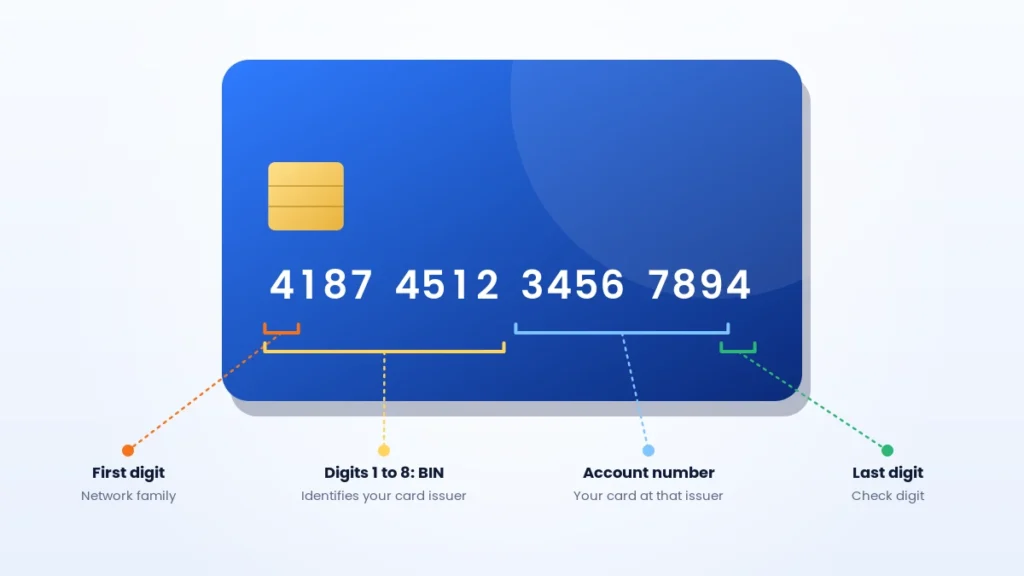
- First digit: the industry or network family. For example, cards starting with 4 are usually Visa, and cards starting with 5 are often Mastercard or Verve.
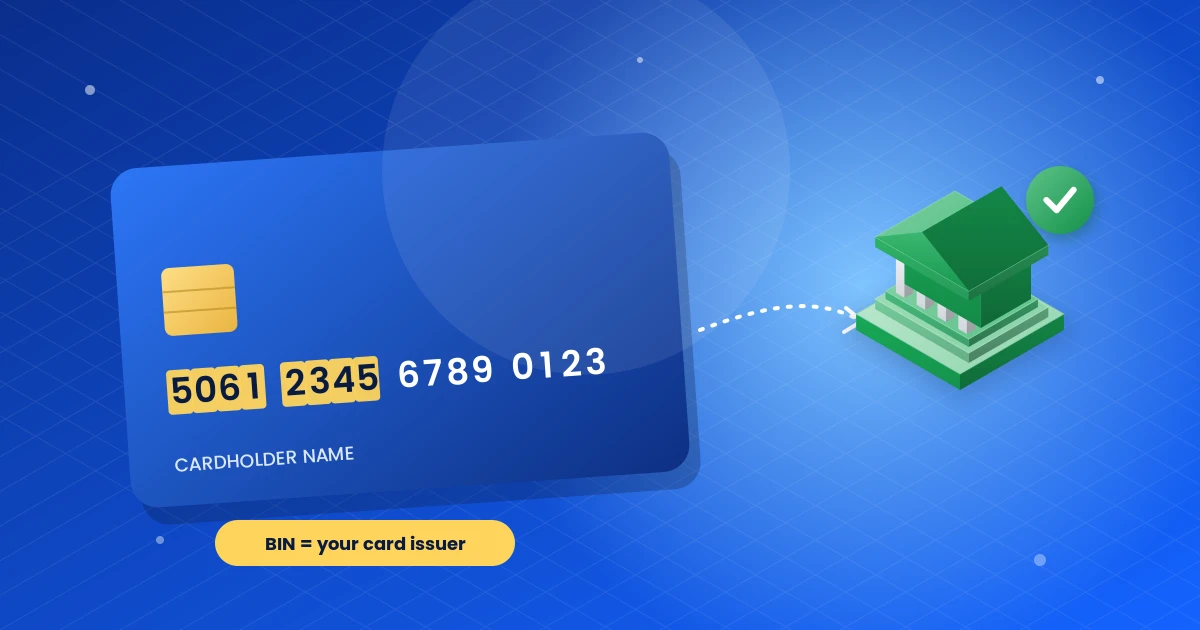
- First six to eight digits: the bank identification number (BIN), also called the issuer identification number. It identifies the issuing bank and the type of card.
- Middle digits: after that, your individual account number at the issuer.
- Last digit: finally, a check digit that helps terminals catch typing mistakes.
Since April 2022, Visa and Mastercard have moved to eight-digit BINs, so newer numbers use eight digits to identify the issuer. Older systems may still show only the first six.
Common card number prefixes
| Card starts with | Usually means |
|---|---|
| 4 | Visa |
| 51 to 55, or 2221 to 2720 | Mastercard |
| 506, 507, or 650 | Verve (Nigeria’s Interswitch scheme) |
To find your issuer, you can simply look at the name printed on the front. Alternatively, a BIN lookup tool can match the first six to eight digits to an issuer. However, never type your full card number, expiry date or CVV into any website just to check this.
Card issuers in Nigeria: banks vs fintechs
Overall, issuers in Nigeria fall into two main groups.
Commercial banks such as Access Bank, First Bank, GTBank, UBA and Zenith Bank issue most debit cards. They usually offer Verve, Mastercard and Visa, and some now also offer AfriGo, the domestic scheme the CBN and NIBSS launched in January 2023.
Licensed fintechs such as Blusalt, Moniepoint, OPay, Kuda and PalmPay also issue cards. They hold licences such as microfinance bank or mobile money operator licences, or they partner with a licensed bank that sponsors the card. By mid-2024, for example, OPay and Moniepoint had issued about 17 million Verve cards between them.
Many fintechs prefer Verve because it charges in naira and most of their customers pay at local POS terminals. Banks, on the other hand, still offer Mastercard and Visa for international payments. If you need a card for foreign websites, compare the options in our guide to debit card vs prepaid card.
Why your card issuer matters to you
Your issuer affects your daily experience more than the scheme does. For example, it decides:
- first, your daily POS, ATM and online spending limits;
- also, whether your card works abroad and at what exchange rate;
- then, how fast it reverses a failed payment;
- in addition, how easily you can freeze, unfreeze or replace your card in the app;
- Finally, which card fees you pay.
So, when a payment fails, or you see an unknown debit, contact your card issuer first. It is the only party that can block your card and start a refund.
Frequently asked questions
Is the card issuer the same as Visa or Mastercard?
No. Visa, Mastercard, Verve, and AfriGo are card schemes that run the networks. The issuer is the bank or fintech that serves you and approves your payments.
Who is the card issuer on a fintech card?
Usually, it is the licensed institution named on the card or in the app’s terms. Some fintechs hold their own licence, while others issue cards through a partner bank.
Can I change my card issuer?
Not for an existing card. However, you can open an account with another bank or fintech and request a new card from them.
Who should I contact about a failed card payment?
Contact your issuer first, because it holds your money. Our guide to how ATM transactions work also explains the refund timelines for failed withdrawals.
What is an issuer processor?
It is the system or company that handles payment approvals for the issuer. It checks the PIN, card status, and fraud rules, then asks the bank’s core system to approve the debit.
Key takeaways
- A card issuer is the bank or licensed fintech that gives you your card and approves your payments.
- It handles onboarding, fraud checks, settlement, and disputes, and earns interchange on each payment.
- Most issuers use an issuer processor for PIN and fraud checks, while the core banking system approves the debit.
- The BIN, the first six to eight digits of the number, identifies your issuer.
- In Nigeria, card issuers include commercial banks and licensed fintechs, and many fintechs now favour Verve.
Want to see the other side of the payment? Read what a payment processor is, or browse more digital payments guides.